
Executive Director’s Message
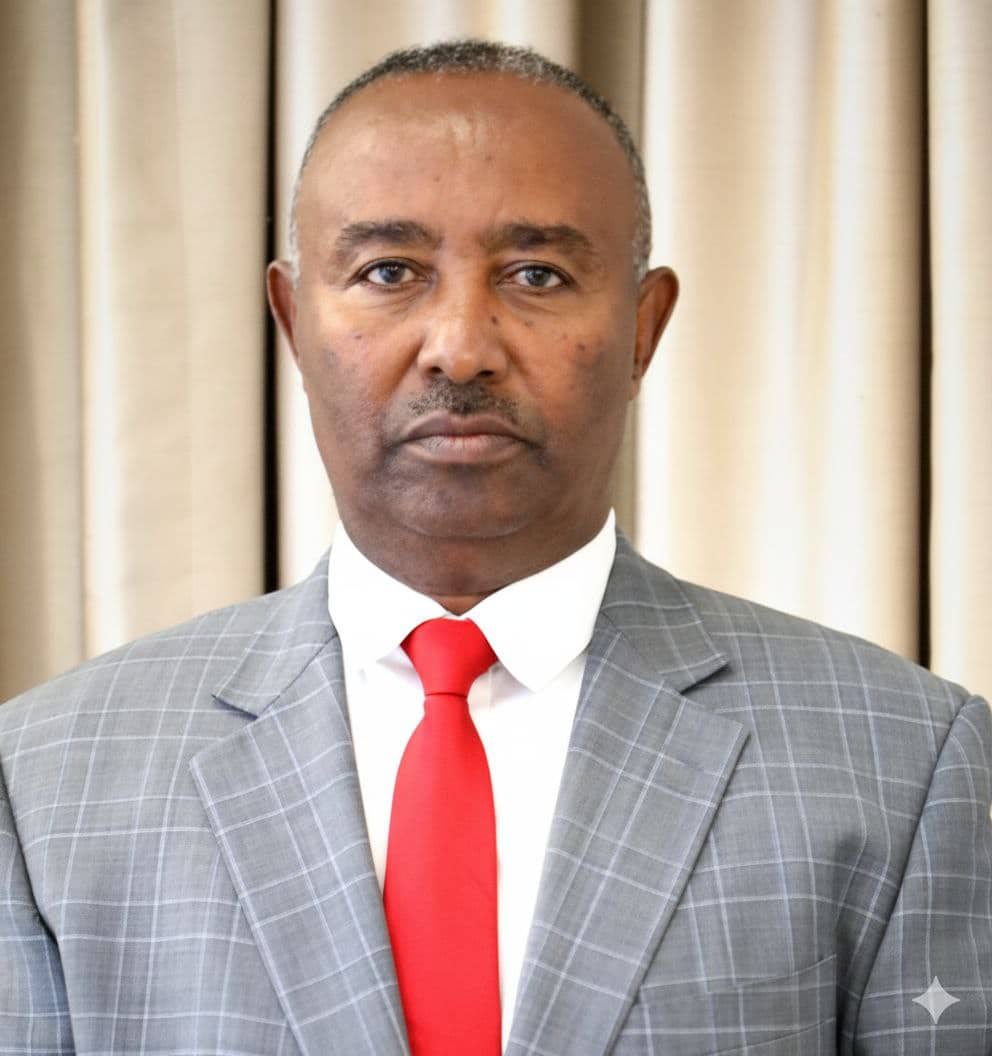
Dear Friends, Partners, and Visitors, Welcome to The Well in Action website.It is both an honor and a profound responsibility to serve as the Executive Director of an organization devoted to such a vital mission, creating a brighter, healthier future for people striving to realize their God-given potential in Ethiopia. The scale of this undertaking is both humbling and motivating, demanding not only strategic vision but also a deep, unwavering commitment to the communities we serve. Every decision we make and every program we implement is measured against its potential to unlock human dignity and foster sustainable change, making this role a true calling as much as it is a position of leadership.
Every day, we work to inspire a mindset shift among the young generation, encouraging entrepreneurship and self-reliance. At the same time, we develop and promote tailored agricultural technologies for small-scale farmers to help them increase productivity and improve their livelihoods. We believe that every citizen deserves access to the fundamental building blocks of a fulfilling life. At The Well in Action, we take an integrated approach to development—focusing on Water, Sanitation, and Hygiene (WASH), Agriculture and Agri-business, Youth Employment, Capacity Building, Emergency and resilience. Our work is made possible through the generosity and collaboration of our partners, donors, volunteers, and local communities, all united by a shared purpose.
Thank you for your interest in our mission. Together, we are not only transforming individual lives but also investing in a stronger, more equitable future for the needy people in Ethiopia.
Vision/Mission

To unlock the potential of vulnerable people who are created by God a holistic way (Spiritually, mindset and physically) to have a fulfilled life.

The Well in ACTION works with vulnerable and underserved communites in Ethiopia via development programs to have a sustainanble transforatmion.


Value Proposition
The well in ACTION is built on a foundation of agility, integrity, and deep community commitment. We operate with a flat management structure that minimizes bureaucracy, empowering our team to embrace innovative solutions and respond flexibly to challenges. Our focus is on delivering lasting change in remote and underserved areas, guided by the following core principles:

&
Transparency
We conduct all operations with unwavering honesty and high transparency, fostering trust with the communities we serve and the partners who support us.

Change
We are committed to sustainable change, achieved through the full participation of community members. We listen, learn, and work alongside them as partners.

&
Stewardship
We are accountable for our actions and results. We demonstrate responsible stewardship by ensuring the efficient and effective use of every resource entrusted to us, even in the most pressurized environments.

Relation
We are committed to sustainable change, achieved through the full participation of community members. We listen, learn, and work alongside them as partners.

&
Respect
We build strong, respectful relationships with our target groups based on fairness, equal treatment, and a deep respect for local culture and religion.
Our Staff

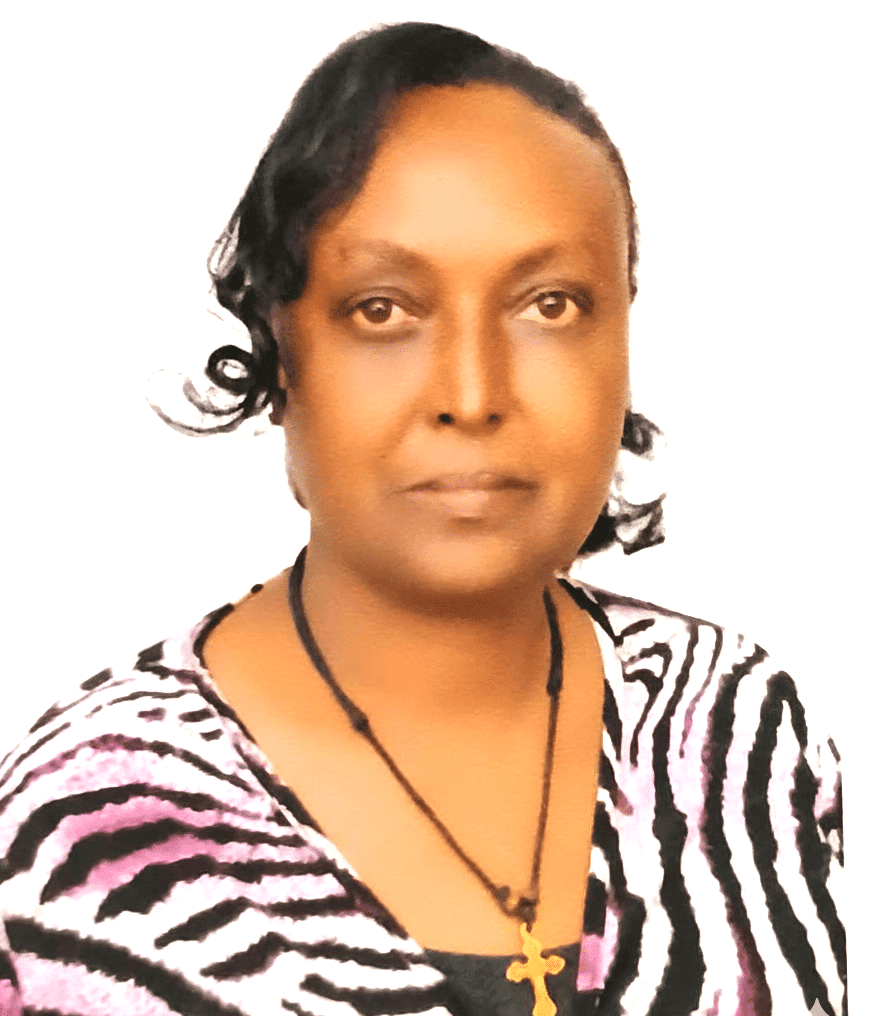
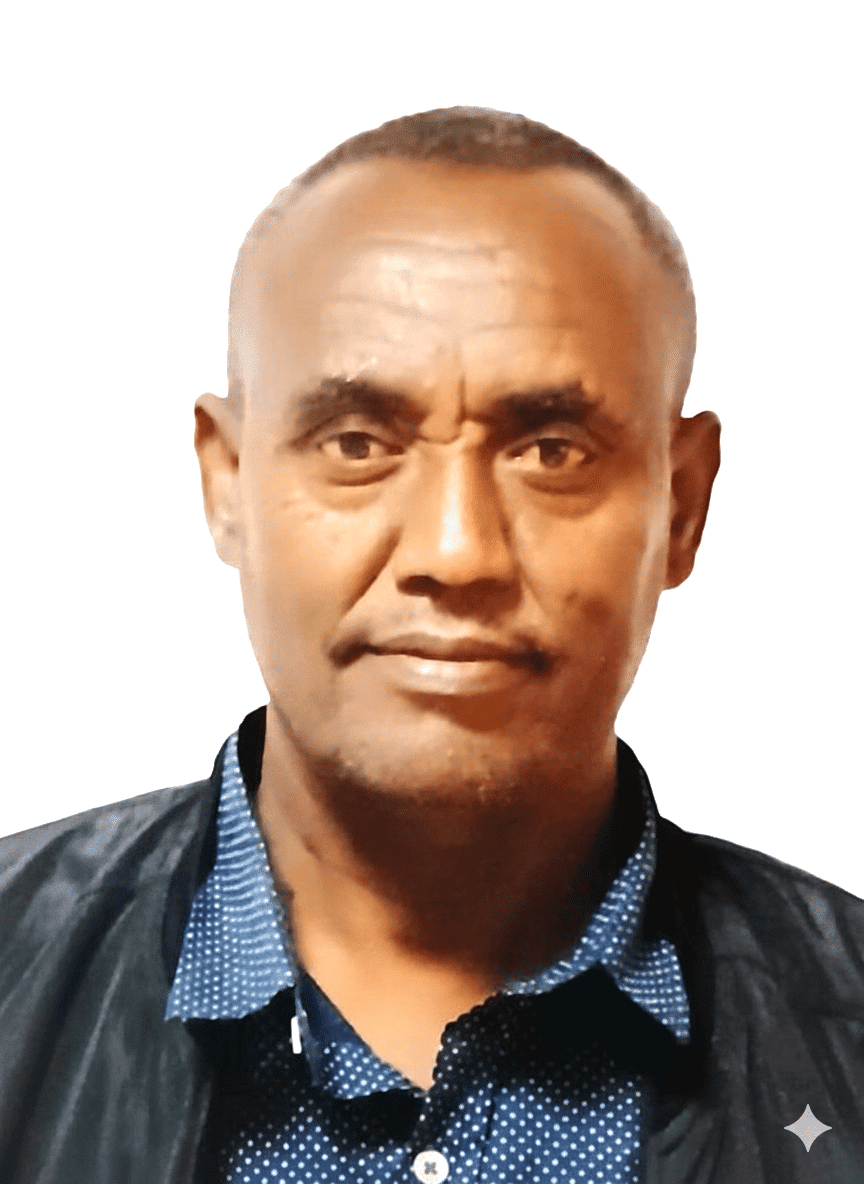
Board Members
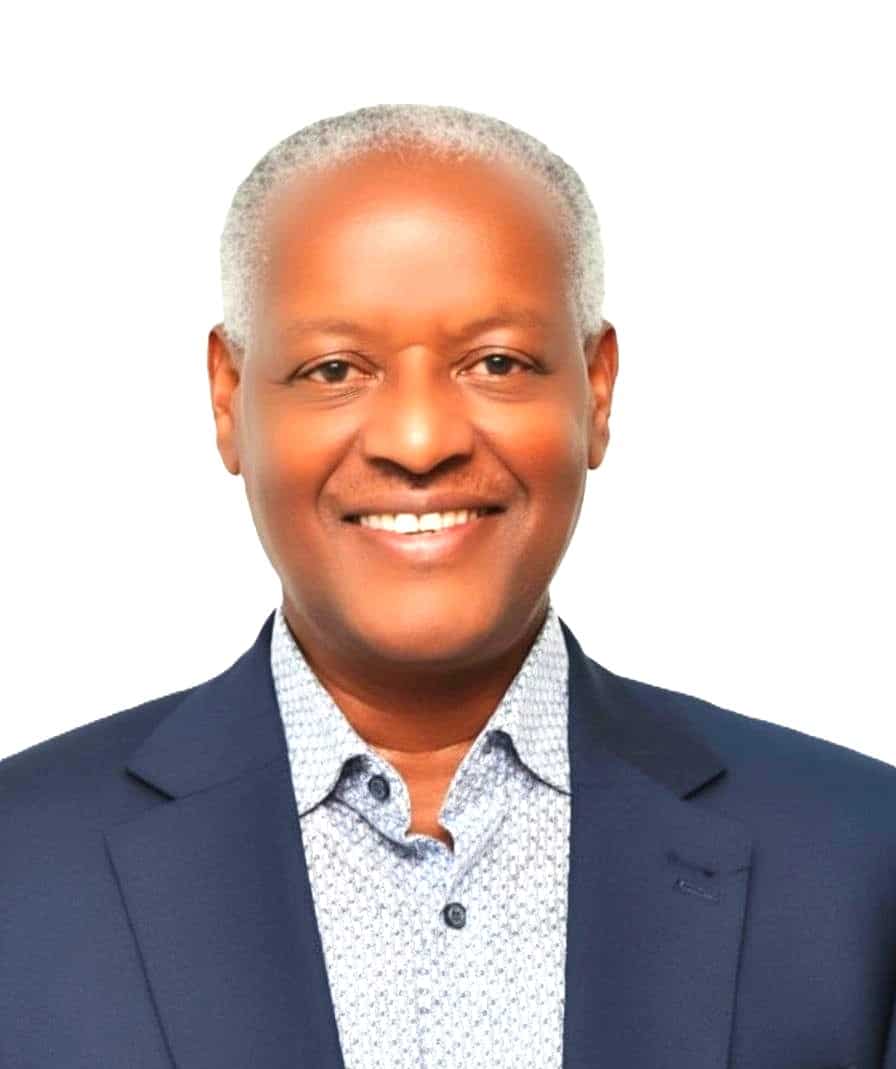
Board Chairperson
Aklilu Kasaye
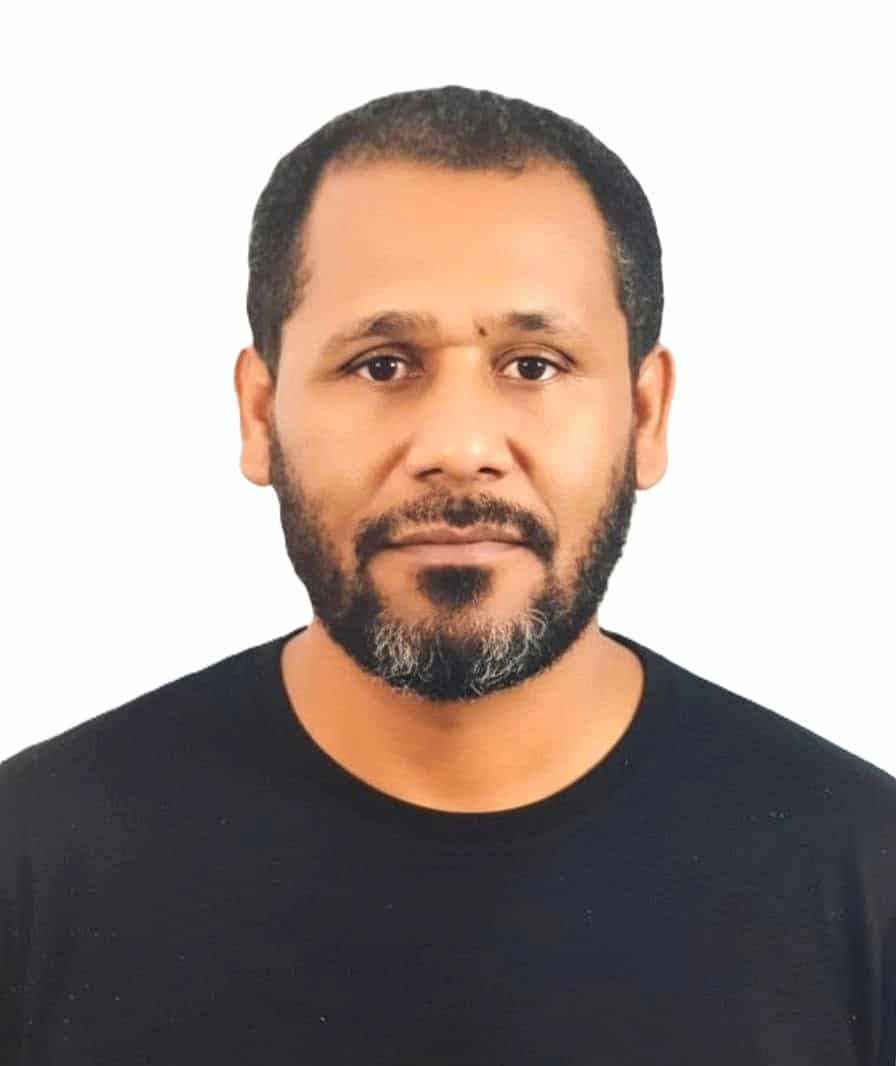
Board Member
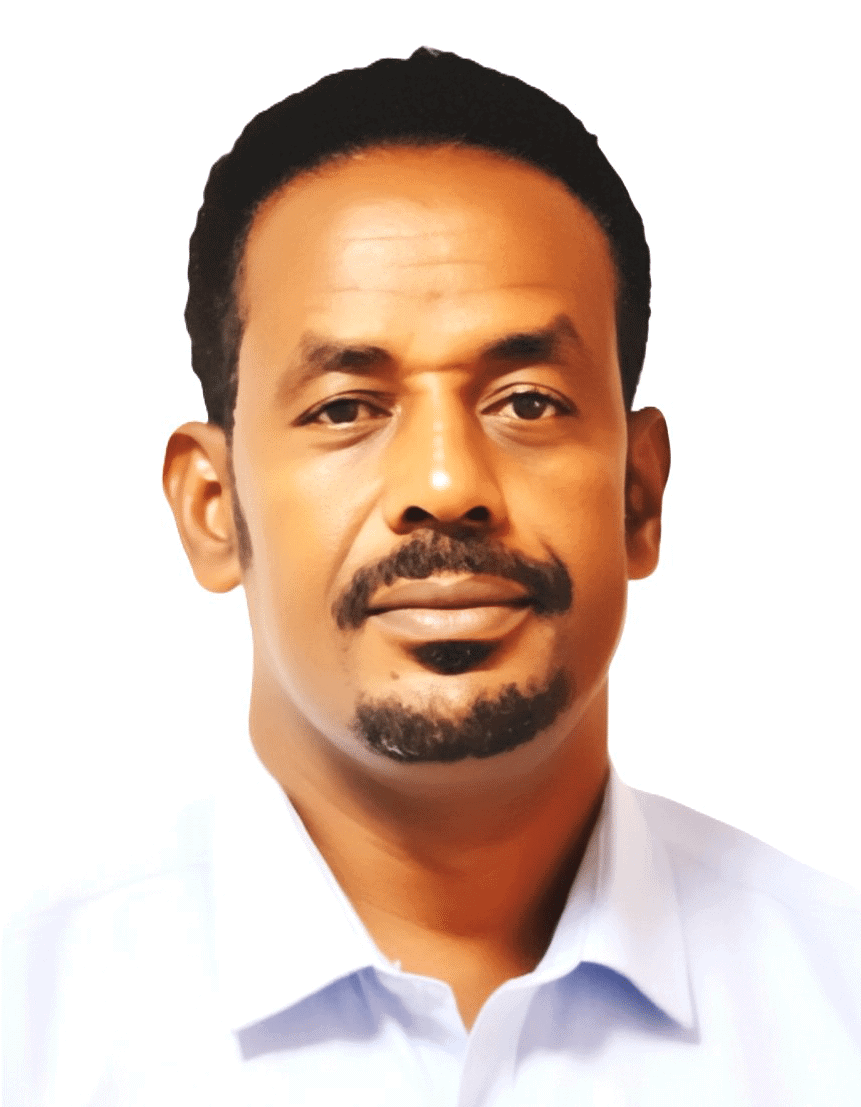
Board Member
W/ro Tehetena Bekele
Board Member
Board Member
Our Partners


About MaYEA
Introduction
The Mass Youth Employment in Apiculture (MaYEA) Program is a nationwide Youth Employment Program implemented in three implementation hubs: North and Northwest Hub (Amhara, Afar, Tigray and, Benishangul Gumuz, regions), South and Southwest Hub (Oromia, Sidama, SNNPR, and Southwest, Gambella regions) and National Hub (implementing crosscutting functions across the two hubs). The implementing partners will collaborate to create a success story in the value chain through a carefully managed consortium approach that demonstrates practice and influences policy in the sector.
The MaYEA program aims to transform Ethiopia’s Apiculture industry to reach 1,860,000 young people and enable 1,050,000 unemployed young people to access wage and self-employment through skilling and access to finance. The program will engage in interventions: 400,000 new beekeepers, 350,000 existing beekeepers, and 400,000 prioritized value chains’ participants.
Goal and Outcomes
The program goal is to enable a million young people (80% women) to find dignified and fulfilling work through strengthened and expanded markets in apiculture-centered agribusiness. The program’s long-term outcomes are:
- Increasing national honey and beeswax production
- Improving honey quality to meet International and national standards
- Enhancing market-driven value addition and product diversification
- Enhancing integration of apiculture with other complementary value chains
- Improving the Enabling Environment for the youth and apiculture sector development
Theory of change
To realize a transformed and commercialized apiculture sector that provides dignified and fulfilling work opportunities for young women and men in Ethiopia, interventions must not only focus on short-term results but also on larger systemic factors that influence the sector’s growth. As a result, the program’s theory of change (ToC) recognizes the complex nature of the sector’s constraints and has designed interventions that empower individuals, communities, and systems to effect transformational change. By engaging new beekeepers, strengthening existing beekeepers, improving the product quality assurance and grading, integrating Apiculture with other value chains, and strengthening the enabling environment, we can contribute to creating a transformed apiculture sector in which young enterprise owners flourish and thrive sustainably.
Target group
The MaYEA program targets young Women and Men, Persons with disabilities, Returnees, and Internally Displaced People and/or Refugees. In the five years, the North and Northwest Sub-national hub led by ORDA Ethiopia will directly reach 524,160 young people. As a result, it will enable 436,800 Young people (80 Women, 10% disadvantaged groups) to dignify and fulfill their works through skilling and financial access.
Implementing partners
- ORDA Ethiopia leads the North–Northwest Sub-National Hub, working with partners: the Population, Health, and Environment Ethiopia Consortium (PHE-EC), Bees for Development Ethiopia (BfDE), and The Well in Action (TWA).
- The International Centre for Insect Physiology and Ecology (icipe) acts as the National Hub, overseeing cross-cutting roles across both Sub-National Hubs.
- The International Institute of Rural Reconstruction (IIRR) leads the South, Southwest, and Central Sub-National Hub, in collaboration with SOS Sahel Ethiopia and MELCA-Ethiopia.
In the North and Northwest Sub-National Hub, led by ORDA Ethiopia, the implementation of the MaYEA program is carried out across five clusters:
- Debre Birhan Cluster – by PHE-EC, operating in 14 woredas at Zone 1, 2, 3, and 5, in Afar region and South Wollo, North Shewa, and the Oromo Special Zone in Amhara region.
- Bahir Dar Cluster – by BfDE, operating in 15 woredas at North Gojam, East Gojam, West Gojam, and Awi Zones in the Amhara region and Metekel Zone in Beneshangul-Gumuz region.
- Shire Cluster – by TWA, operating in 8 woredas in the Northwest and Central Tigray zones in the Tigray region.
- Meket and Akesta clusters – by ORDA Ethiopia, operating in 26 woredas of South Gondar, North Wollo, South Wollo, and North Shewa zones in the Amhara region.
Stakeholders
The MaYEA program has engaged a diverse range of stakeholders across all areas where it operates. These key stakeholders include: Labor and Skills Bureau, Women, Youth and Social Affairs Bureau, Agriculture Bureau, Livestock and Fish Resource Development Bureau, Cooperative Promotion Commission, Trade and Market Development Bureau, Land Use & Administration, among others.
Program period: O1 November 2024 – 31 October 2028
Budget: The program is supported by the Mastercard Foundation. The five-year’ North and Northwest subnational hub budget is 30,433,585 USD.


