Water, Sanitation, and Environmental Hygiene
Water, Sanitation, and Environmental Hygiene (often referred to as WASH) form a fundamental public health triad that is essential for human dignity, survival, and development. At its core, this framework begins with access to safe drinking water, which is vital for hydration, cooking, and personal hygiene to prevent the spread of waterborne diseases. Sanitation involves the safe management of human excreta through the use of toilets and sewage systems, which prevents pathogens from contaminating the environment and water sources. Environmental Hygiene encompasses the practices and measures taken to keep the immediate surroundings clean, including solid waste management, wastewater drainage, and controlling disease vectors like mosquitoes and flies. Without this integrated approach, communities remain trapped in a cycle of disease, as contaminated water and poor sanitation are primary drivers of illnesses such as cholera, dysentery, typhoid, and polio.
The profound impact of these services extends far beyond individual health, acting as a critical determinant for societal progress. When a population has reliable access to clean water and sanitation, there is a dramatic reduction in preventable diseases, which in turn lowers childhood mortality, improves nutritional status, and alleviates the burden on overstretched healthcare systems. Furthermore, these services are foundational to education and economic empowerment; children, especially girls, are more likely to attend school when there are adequate and private sanitation facilities, and adults spend less time fetching water and more time on productive activities. Therefore, investing in robust WASH infrastructure is not merely a technical or humanitarian effort, but a strategic cornerstone for achieving broader goals in poverty reduction, gender equality, and sustainable community development.
Water: Reliable access to safe drinking water for drinking, cooking, and hygiene.
Sanitation: Safe management of human waste through proper toilets and sewage systems.
Environmental Hygiene: Practices to maintain a clean environment, including solid waste management and controlling disease vectors (e.g., mosquitoes).
- Primary Goal: To prevent the spread of infectious, waterborne diseases such as cholera, dysentery, and typhoid.
- Direct Benefits:
- Drastically reduces preventable disease and child mortality.
- Improves overall community health and nutritional status.
- Broader Societal Impact:
- Education: Increases school attendance, especially for girls, when safe and private toilets are available.
- Economy: Boosts productivity as people spend less time fetching water or being ill.
- Dignity: Upholds basic human dignity and safety.
- Overall Significance: Investment in WASH is a foundational requirement for achieving public health, poverty reduction, gender equality, and sustainable development.
Sucess stories
Success in Specific Regions and Sectors
Beyond the national program, targeted initiatives have shown remarkable results.
Tigray Region’s Transformation: Tigray has been a frontrunner in Ethiopia’s WASH progress. Through community mobilization and effective implementation of CLTS, the region achieved a dramatic increase in latrine coverage and was a leader in declaring districts ODF. Their work on water point construction and maintenance also served as a model for other regions.
WASH in Schools (WinS) Program: Ethiopia has made a major push to integrate WASH into schools, recognizing its impact on education, especially for girls.
Impact: The construction of separate, private latrines for girls and boys, along with handwashing stations and Menstrual Hygiene Management (MHM) facilities, has been credited with increasing school enrollment and attendance, particularly for adolescent girls, and reducing the transmission of diseases among children.
Urban Utility Success (e.g., Addis Ababa Water and Sewerage Authority): While challenges remain, utilities in major cities like Addis Ababa have undertaken significant expansion projects to increase water production, reduce non-revenue water (water loss), and extend sewerage networks to more households, improving public health in dense urban settings.
Key Achievments
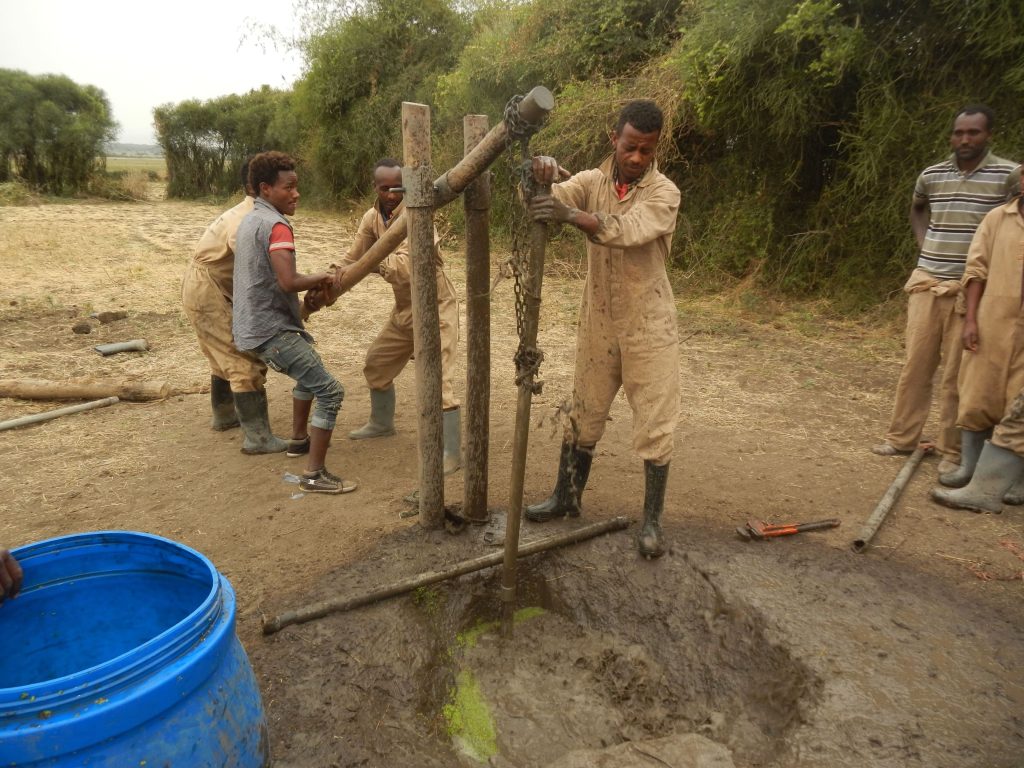
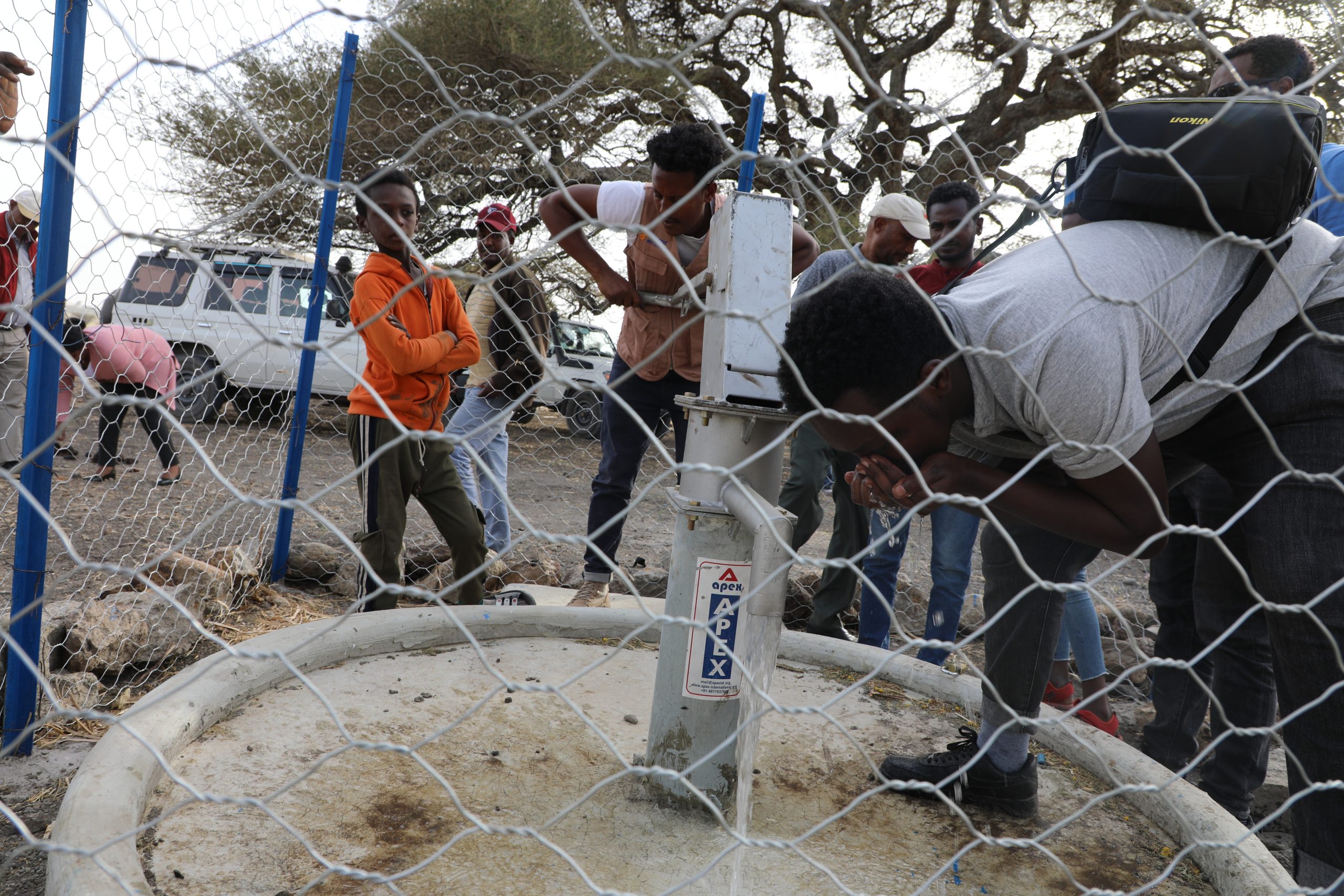
Increased Access to Water: Driven by the OWNP, Ethiopia successfully met its Millennium Development Goal (MDG) target for drinking water, significantly increasing the proportion of the population with access to an improved water source. This involved constructing thousands of new water points, like deep boreholes and protected springs, especially in rural areas.
Community-Led Total Sanitation (CLTS): Ethiopia aggressively adopted the CLTS approach, which empowers communities to analyze their own sanitation situation and build their own latrines without subsidies. This led to thousands of villages being declared Open Defecation Free (ODF). The campaign created a powerful social movement around sanitation.
Integrated Funding: The OWNP created a Consolidated WASH Account, pooling funds from the government and external donors, which made financing more efficient, predictable, and aligned with a single national plan.